
Shikakai for Hair Care: Summer Scalp Cooling Guide
Beat the heat this summer with an ancient Ayurvedic secret for healthy, refreshed hair
Why Your Scalp Needs Extra Care in Summer
As temperatures soar during India’s hot summer months, your scalp bears the brunt of it. Increased heat means more sweat, excess oil production, and a scalp environment that can leave hair feeling limp, greasy, and prone to dandruff. If you’ve ever wondered why your hair feels different — heavier, oilier, itchier — as soon as the mercury rises, you’re not imagining it.
This is where shikakai, one of Ayurveda’s oldest and most trusted hair care ingredients, comes in.
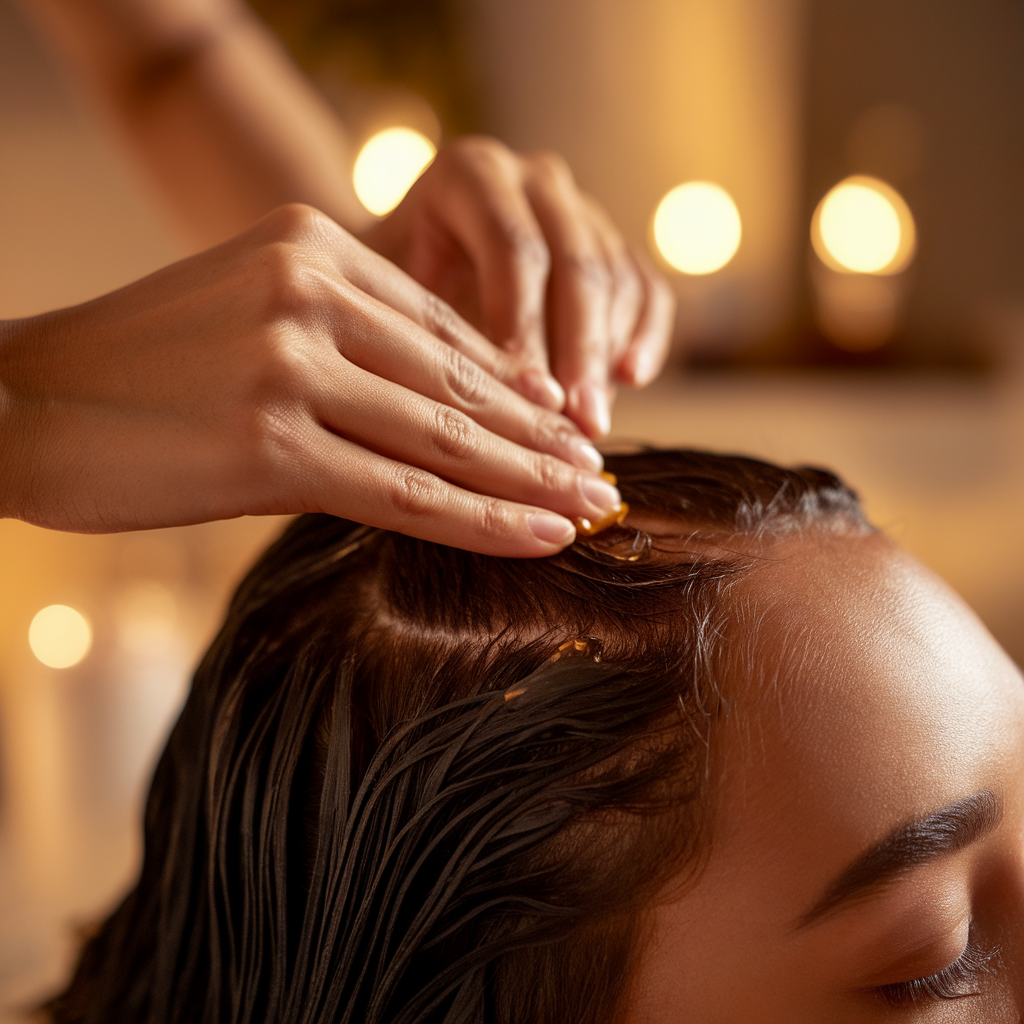
A traditional scalp oiling ritual — soothing, comforting, and part of Ayurvedic self-care for generations.
What Is Shikakai?
Shikakai (Senegalia rugata, formerly Acacia concinna) is a pod-bearing shrub native to India, used for centuries in traditional hair care. Its name comes from the Tamil சிகைக்காய் (cikaikkāy), literally “fruit for hair” — a nod to just how central it has been to Indian hair care traditions for generations (iNaturalist; Zemé Fresh).
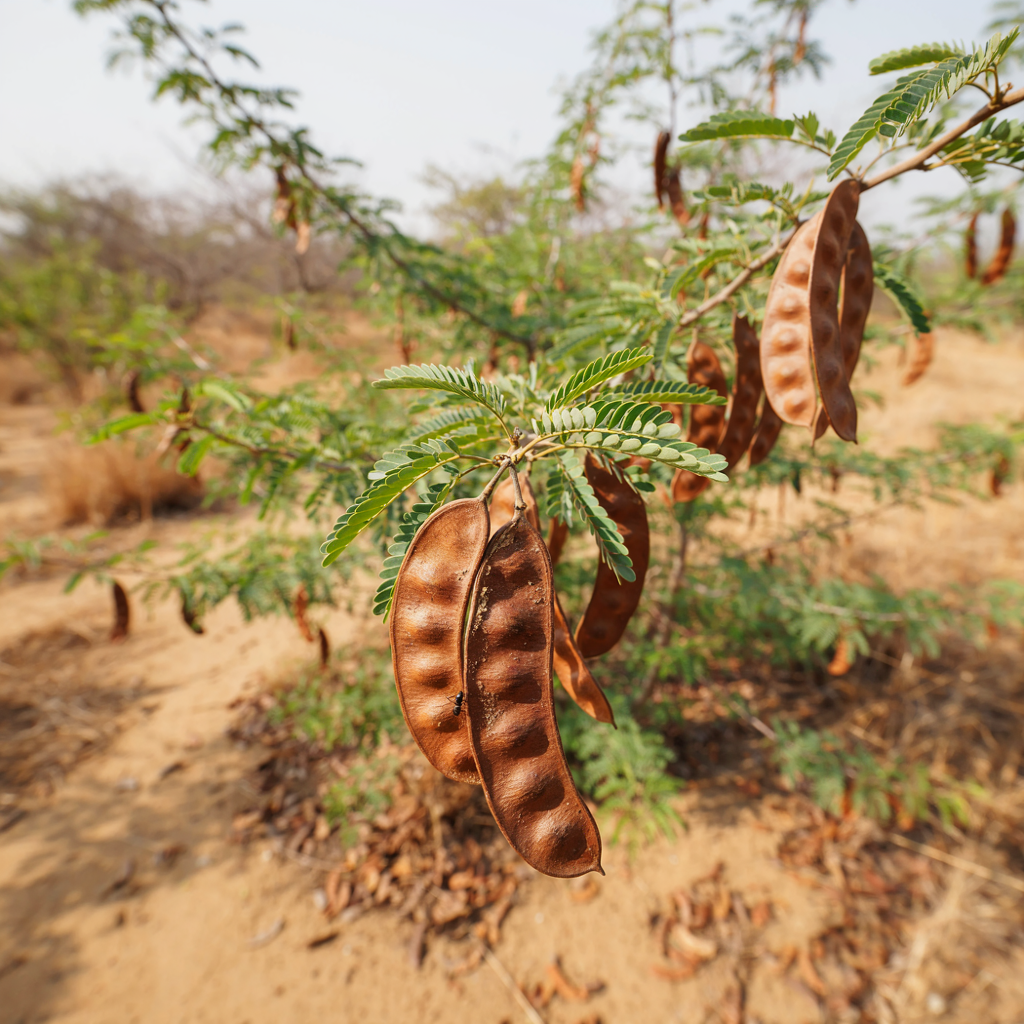
Shikakai pods growing on the Senegalia rugata shrub, harvested and dried for traditional hair care use.
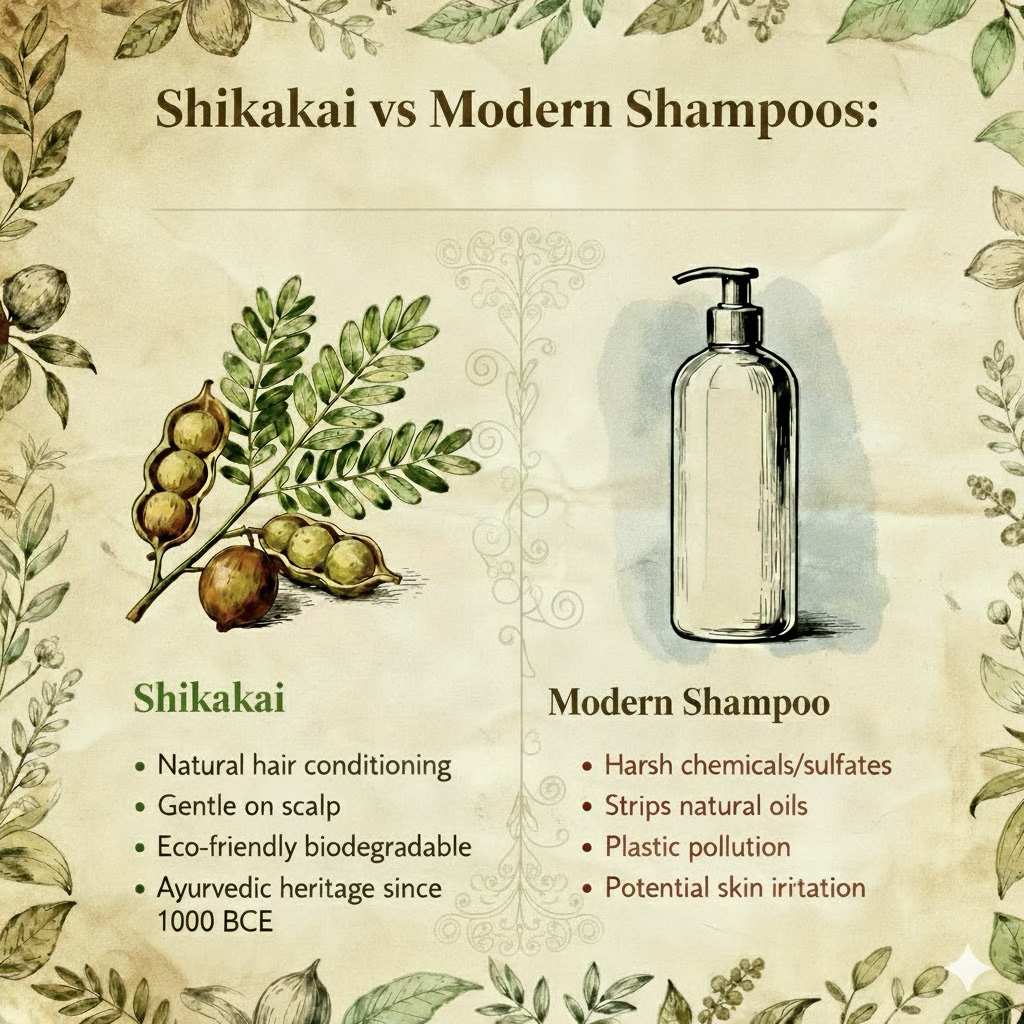
Unlike modern sulfate-based shampoos, shikakai is a gentle, naturally low-lather cleanser with a naturally low pH that does not strip hair of its natural oils (iNaturalist). Its cleansing action comes largely from natural saponins found in the pod, which clean more mildly than sulfates so more of the scalp’s natural oil is left behind (HerbToBody; Radico USA).
The Ayurvedic Perspective: Balancing Pitta in Summer
In Ayurveda, summer heat is associated with an increase in Pitta dosha — the body’s fire element, linked to heat, inflammation, and irritation. Traditional Ayurvedic hair care routines have long included head oil massage with cooling herbs and oils as part of a Pitta-balancing ritual during hot months.
While this is a traditional wellness belief rather than a clinical claim, it points to something real: people have used scalp oiling rituals for generations specifically because they feel soothing and comforting during hot weather — a genuine sensory and self-care benefit, even without claiming any measurable change in body temperature.
Top Benefits of Shikakai for Summer Hair Care
1. Gentle Cleansing Without Stripping Natural Oils
Shikakai’s natural surfactants (saponins) clean the scalp of sweat and buildup without the harshness of sulfates — ideal when you’re washing hair more frequently in summer heat (HerbToBody).
2. Soothes an Irritated, Sweaty Scalp
Traditional use of shikakai is associated with soothing the scalp and offering relief from scaling and irritation (PharmEasy; Kerala Naturals).
3. Supports Stronger, Healthier Hair
Shikakai is rich in vitamins A, C, D, and K along with antioxidants, and is traditionally credited with nourishing hair follicles and supporting a healthy scalp environment (Kerala Naturals; Zemé Fresh) — important when summer heat and UV exposure add extra stress to hair.
4. A Refreshing, Soothing Ritual
Massaging shikakai-infused oil into the scalp offers an immediately comforting, refreshing sensory experience — a small act of self-care that fits naturally into a summer hair routine, and one that’s been part of Indian households for generations (Luke Coutinho).
5. Reduces Dandruff and Flakiness
Shikakai leaf infusions have traditionally been used in anti-dandruff preparations, and the plant is credited with helping fight fungal and bacterial buildup on the scalp (Kerala Naturals; Luke Coutinho) — particularly useful when heat and sweat create conditions where flakiness tends to worsen.
How to Use Shikakai for Summer Scalp Care
Step 1 — Warm the Oil
Slightly warm shikakai-infused coconut or sesame oil, then massage it into your scalp in gentle circular motions.
Step 2 — Let It Sit
Leave it on for at least 45 minutes, or overnight for deeper nourishment.
Step 3 — Wash It Out
Wash with a mild shikakai-based cleanser, avoiding hot water which can further dry out summer-stressed hair.
Step 4 — Repeat Regularly
Repeat 2–3 times a week during peak summer months for best results.
A Seasonal Ritual, Not a Quick Fix
It’s worth being upfront: no hair oil — shikakai included — changes your body’s core temperature. What shikakai does offer is a time-tested, gentle approach to keeping your scalp clean, soothed, and comfortable when summer heat puts extra stress on your hair. Combined with staying hydrated, protecting your hair from direct sun, and washing regularly, a shikakai routine is a simple, natural way to keep your hair feeling its best all summer long.
Final Thoughts
Whether you’re dealing with a particularly hot, dry season or just want a gentler alternative to chemical-laden shampoos, shikakai remains one of the most trusted names in natural Indian hair care. This summer, give your scalp the refreshing, nourishing ritual it deserves — the Ayurvedic way.
Have questions about incorporating shikakai into your hair care routine? Drop them in the comments below!
Sources
- PharmEasy. Shikakai: Benefits, Uses, Side Effects & More. pharmeasy.in
- iNaturalist. Soap-pod Tree (Senegalia rugata). inaturalist.org
- Zemé Fresh. Benefits of Shikakai for Hair. zemefresh.com
- Radico USA. Organic Shikakai Powder – Cleanse & Condition Naturally. radicousa.com
- Kerala Naturals. Uses of Shikakai Powder. keralanaturals.com
- Luke Coutinho. Shikakai: For Dandruff, Itchy Scalp, Split Ends, Frizzy Hair. lukecoutinho.com
- HerbToBody. Shikakai Powder: Benefits, Active Compounds, Uses and Safety. herbtobody.com
Note: These sources reflect traditional Ayurvedic use and commercial/wellness reporting on shikakai. Claims about scalp cleansing and traditional use are well-documented; specific physiological effects (e.g., hair growth, dandruff reduction) are based on traditional use and preliminary phytochemical research rather than large-scale clinical trials, and are presented here as such.
Disclaimer
The above mentioned content and media are published online for informational and educational purposes only. It is not intended to be a substitute for professional medical advice and should not be relied on as health advice
Third-party sources. This article references and links to third-party websites for informational purposes. We are not responsible for the accuracy, content, or practices of these external sites.
Leave a Reply